
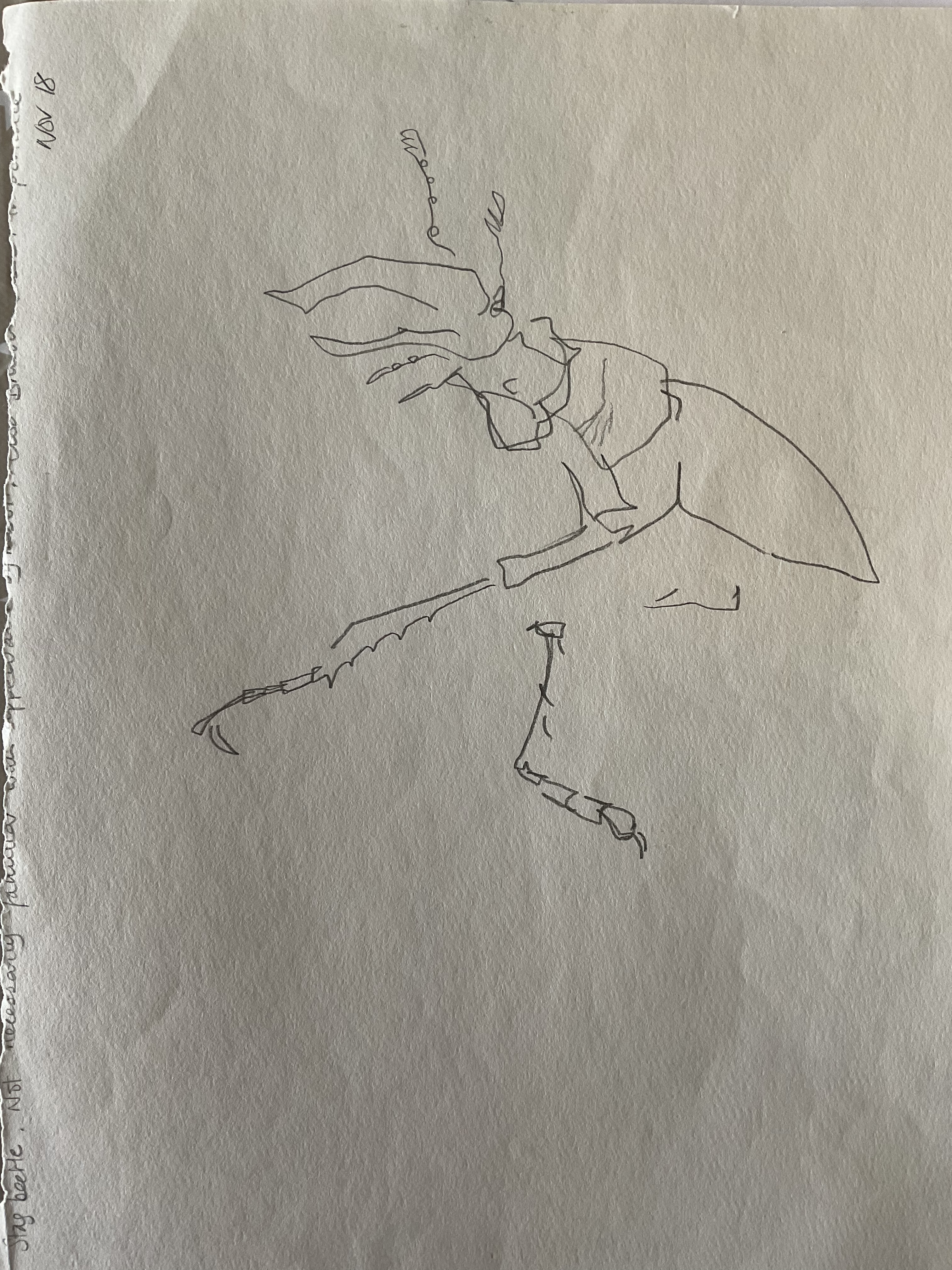
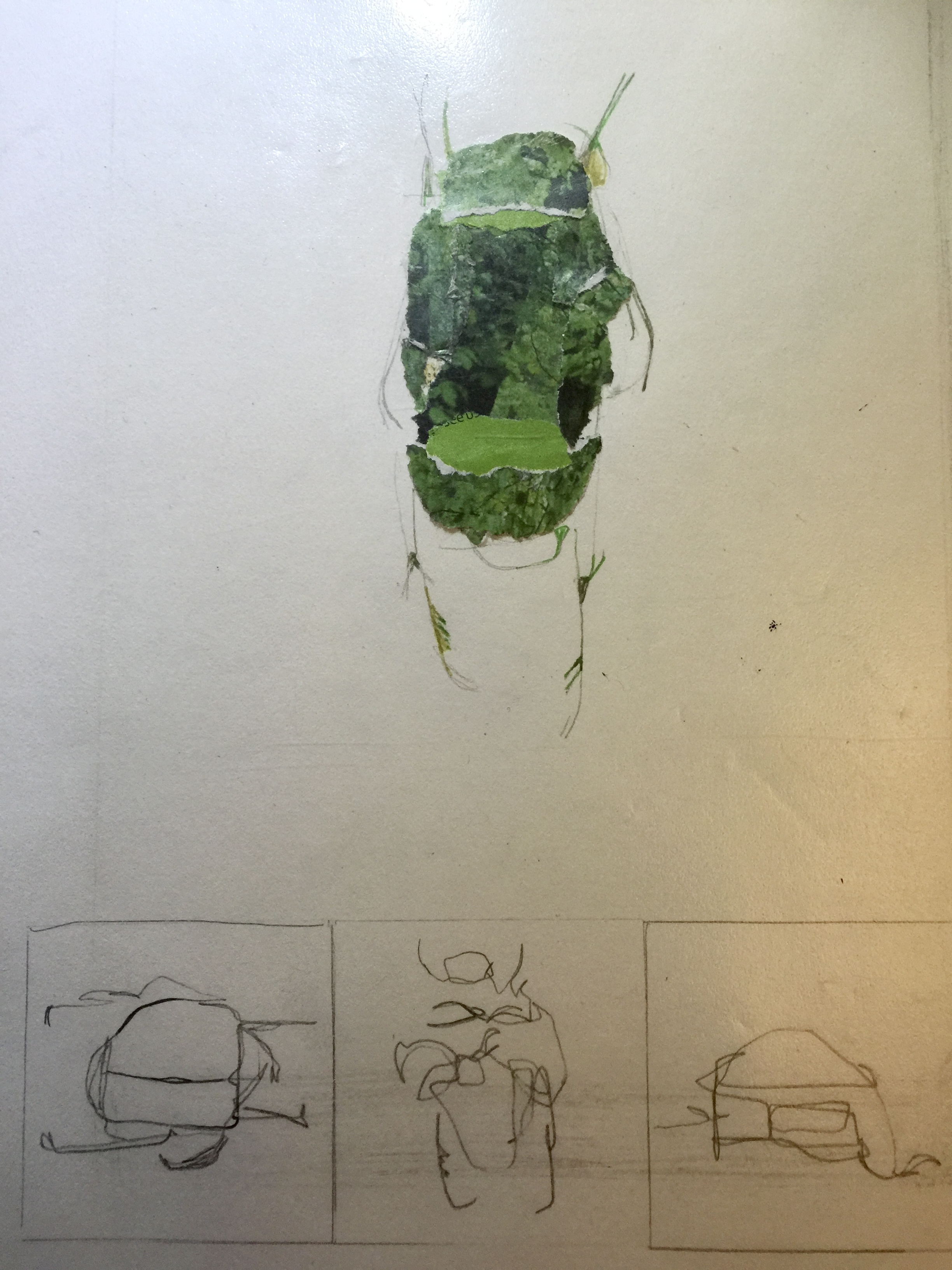
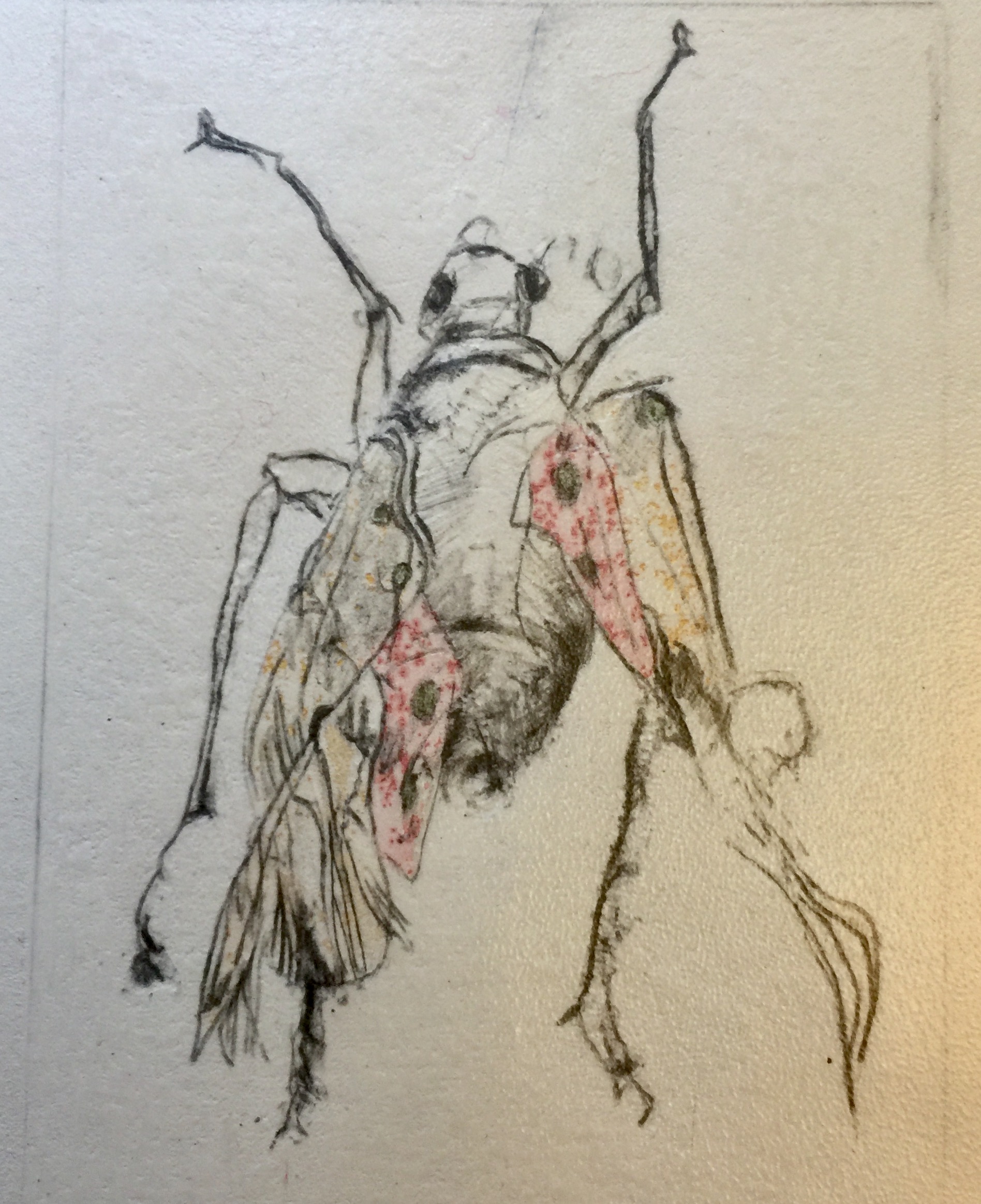
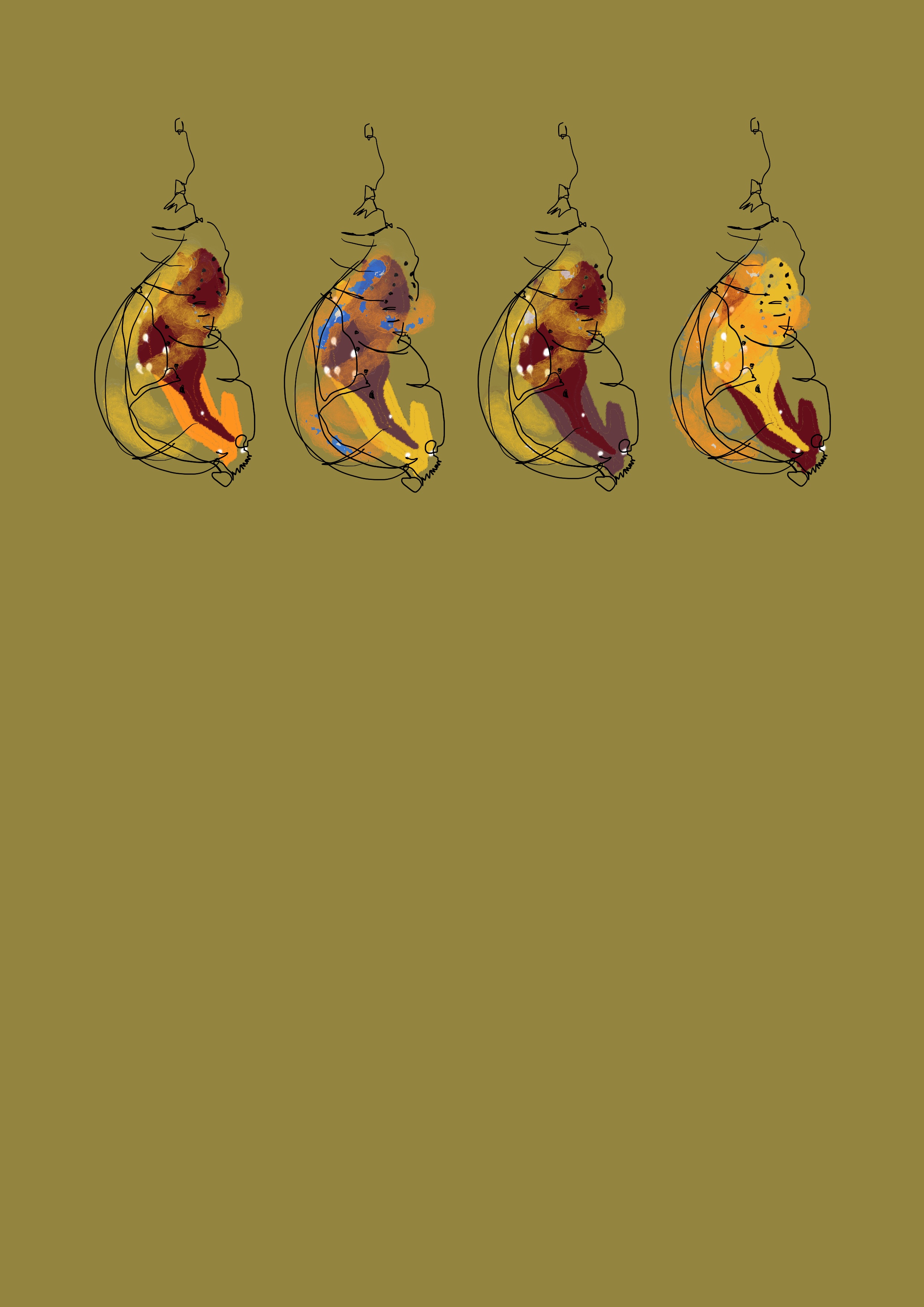
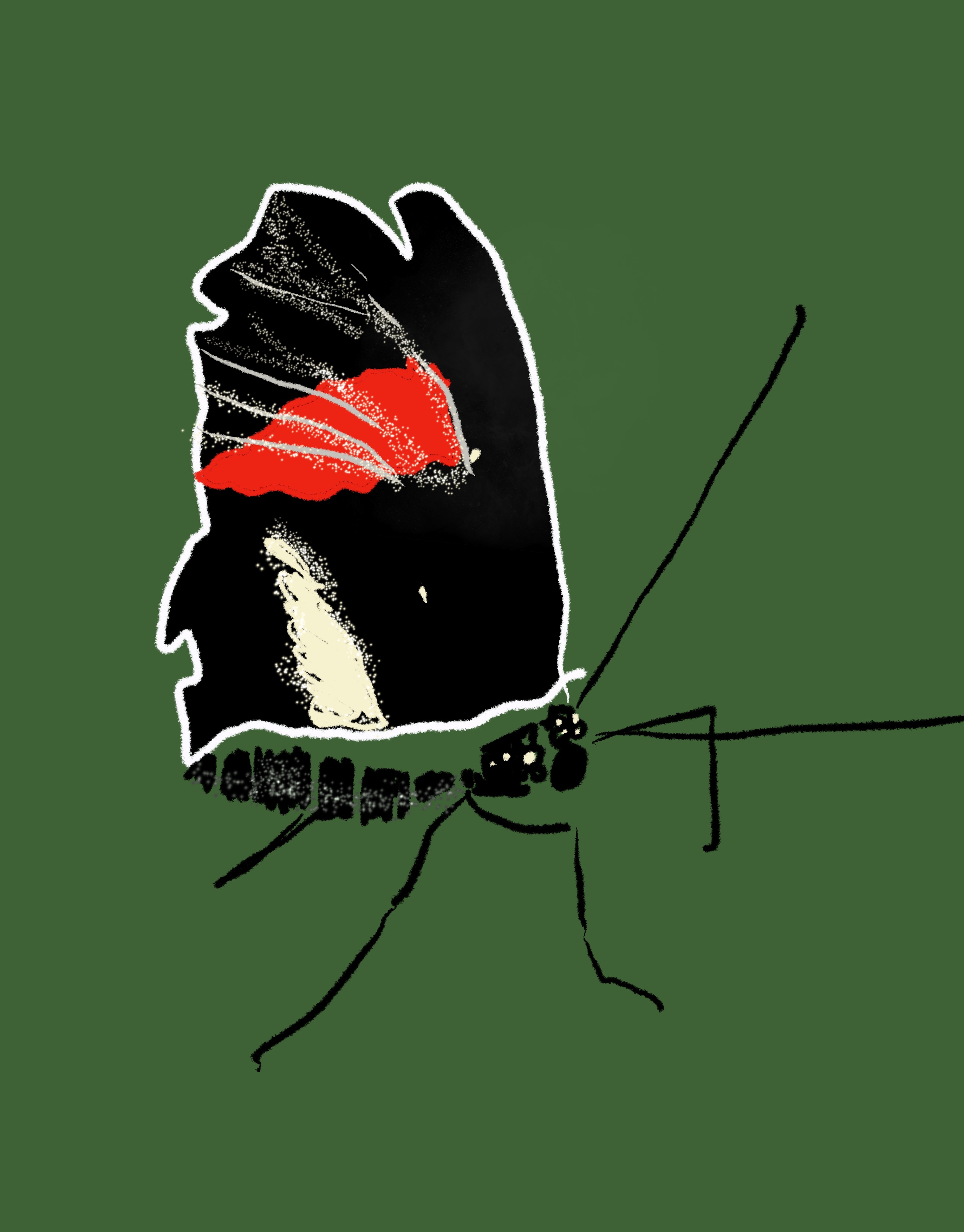
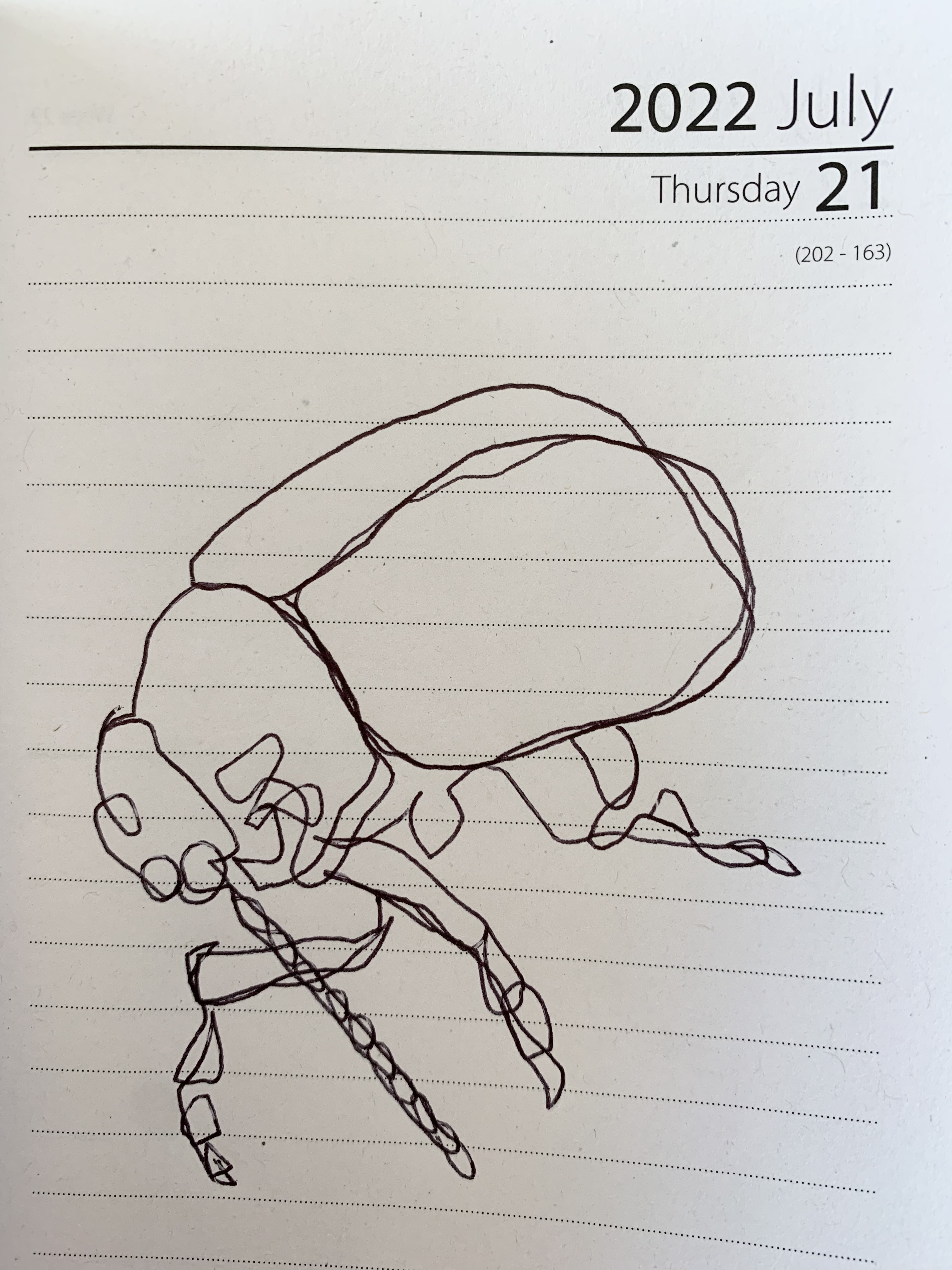
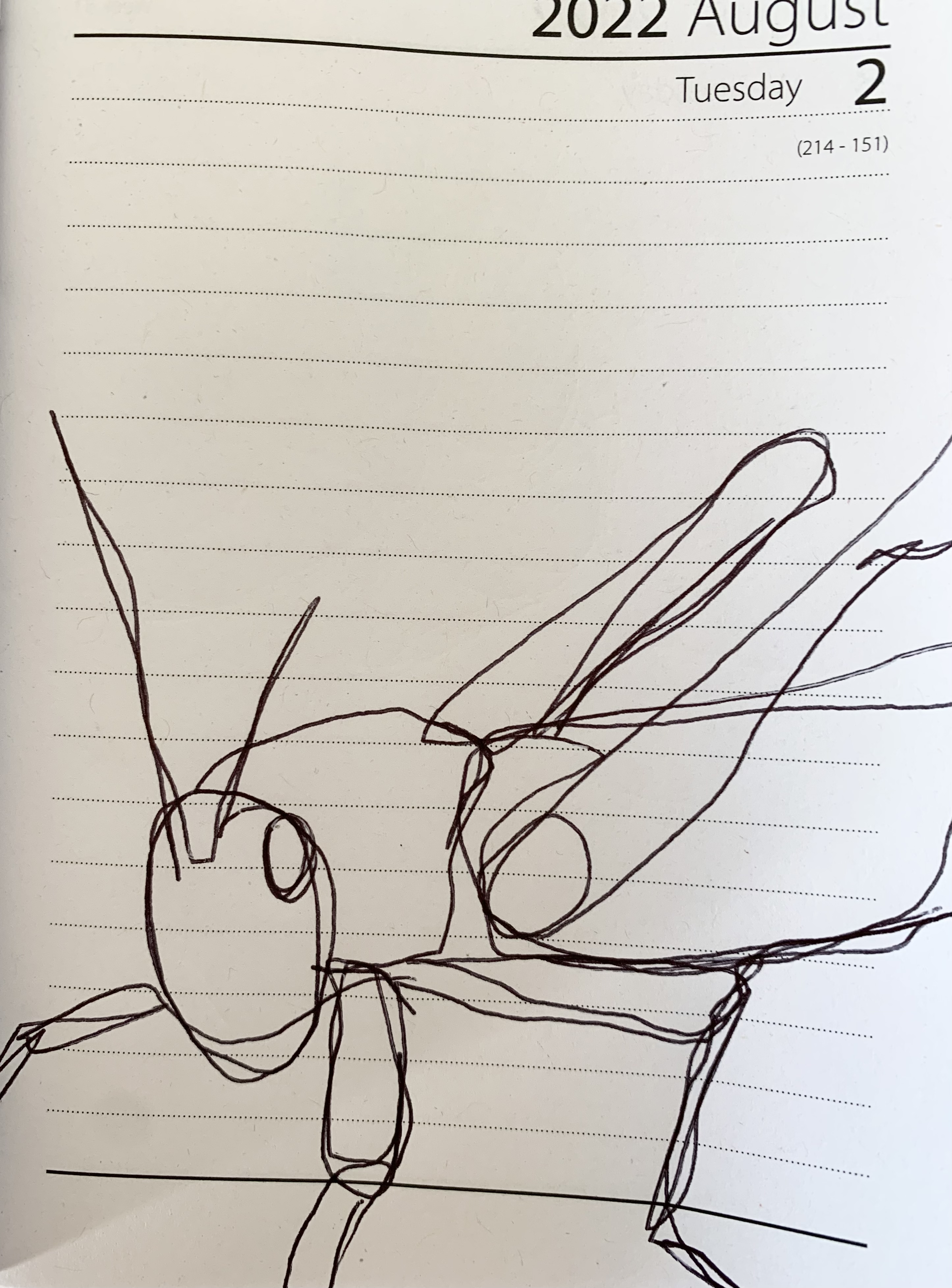
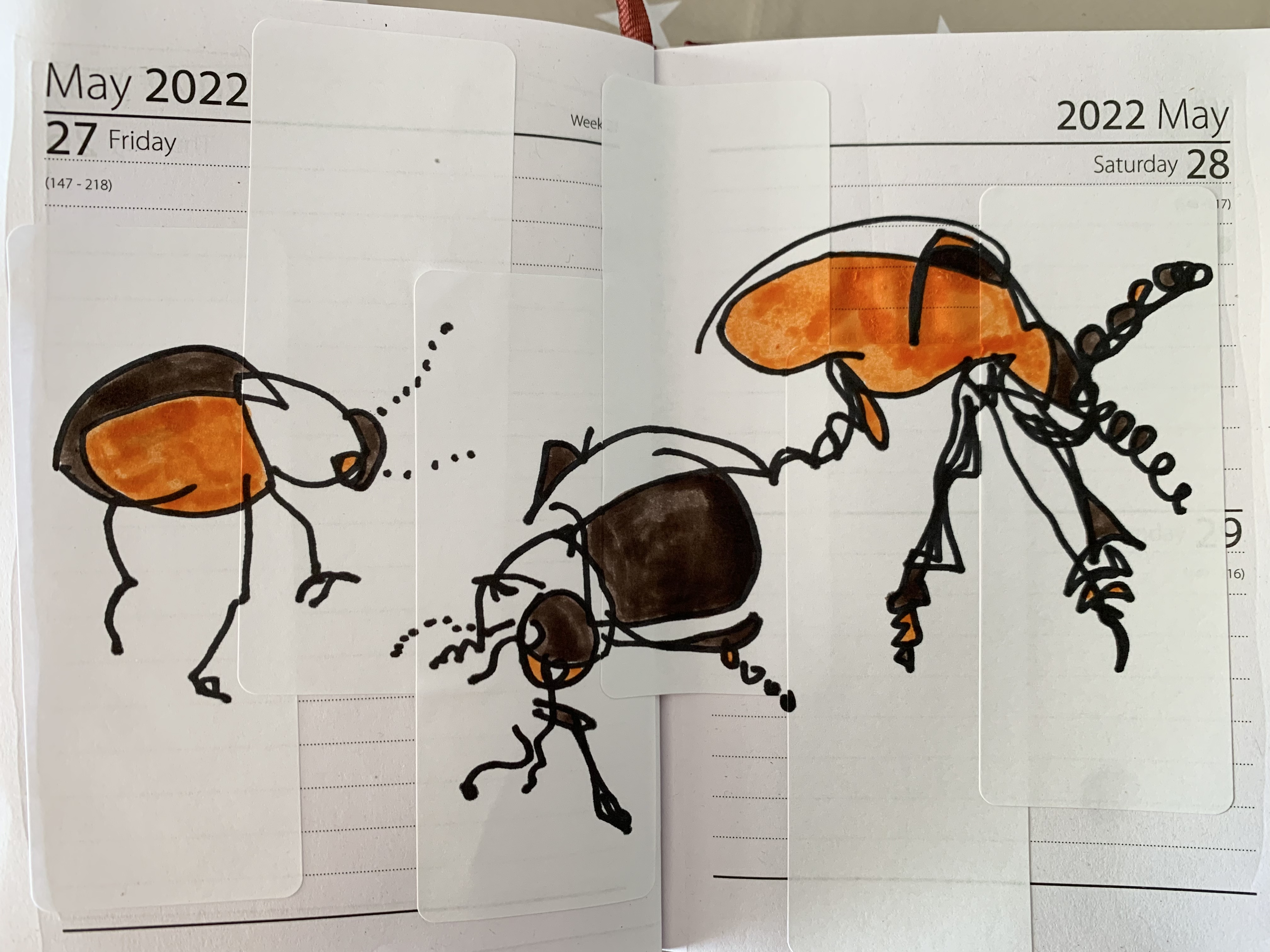
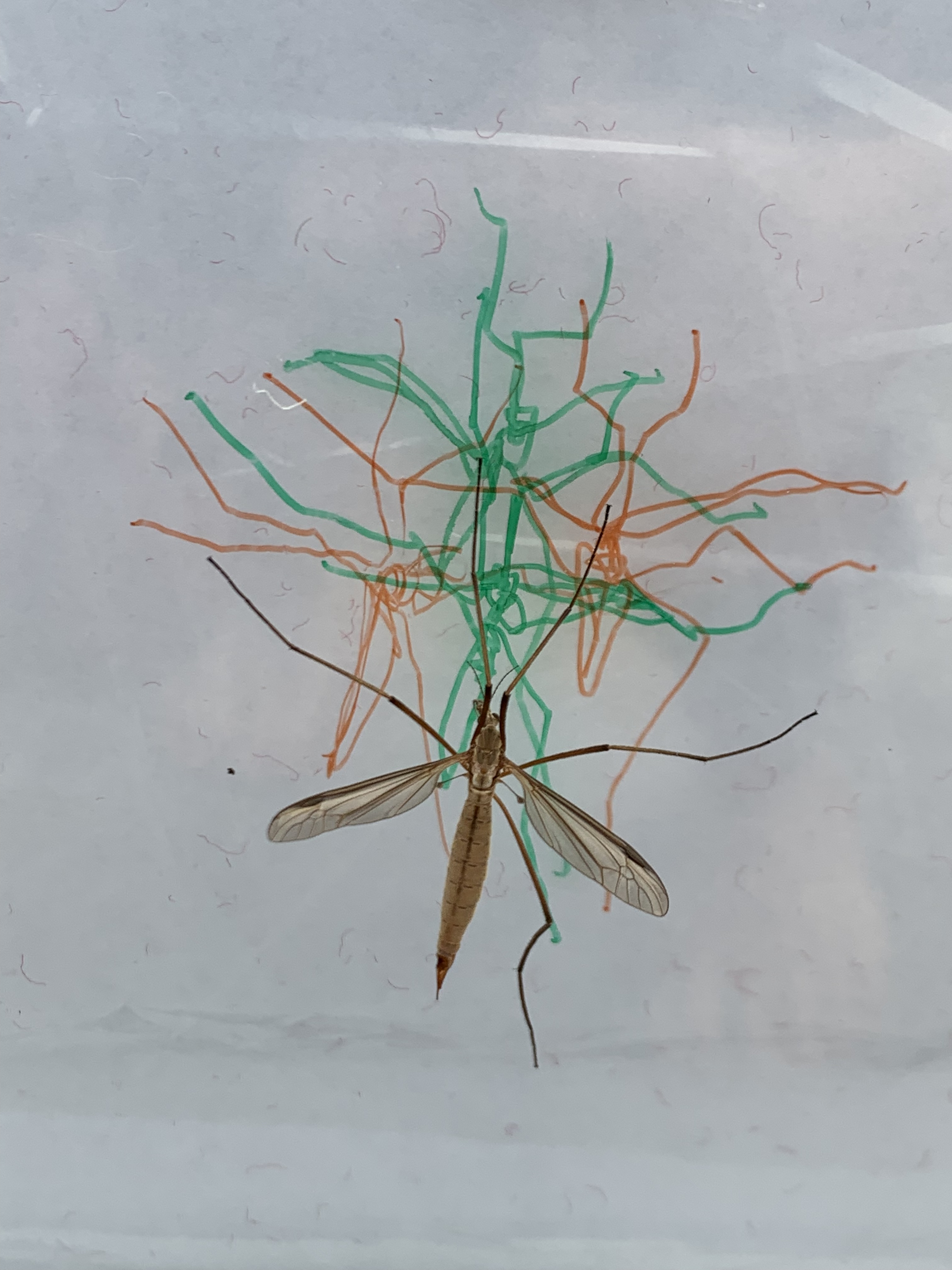
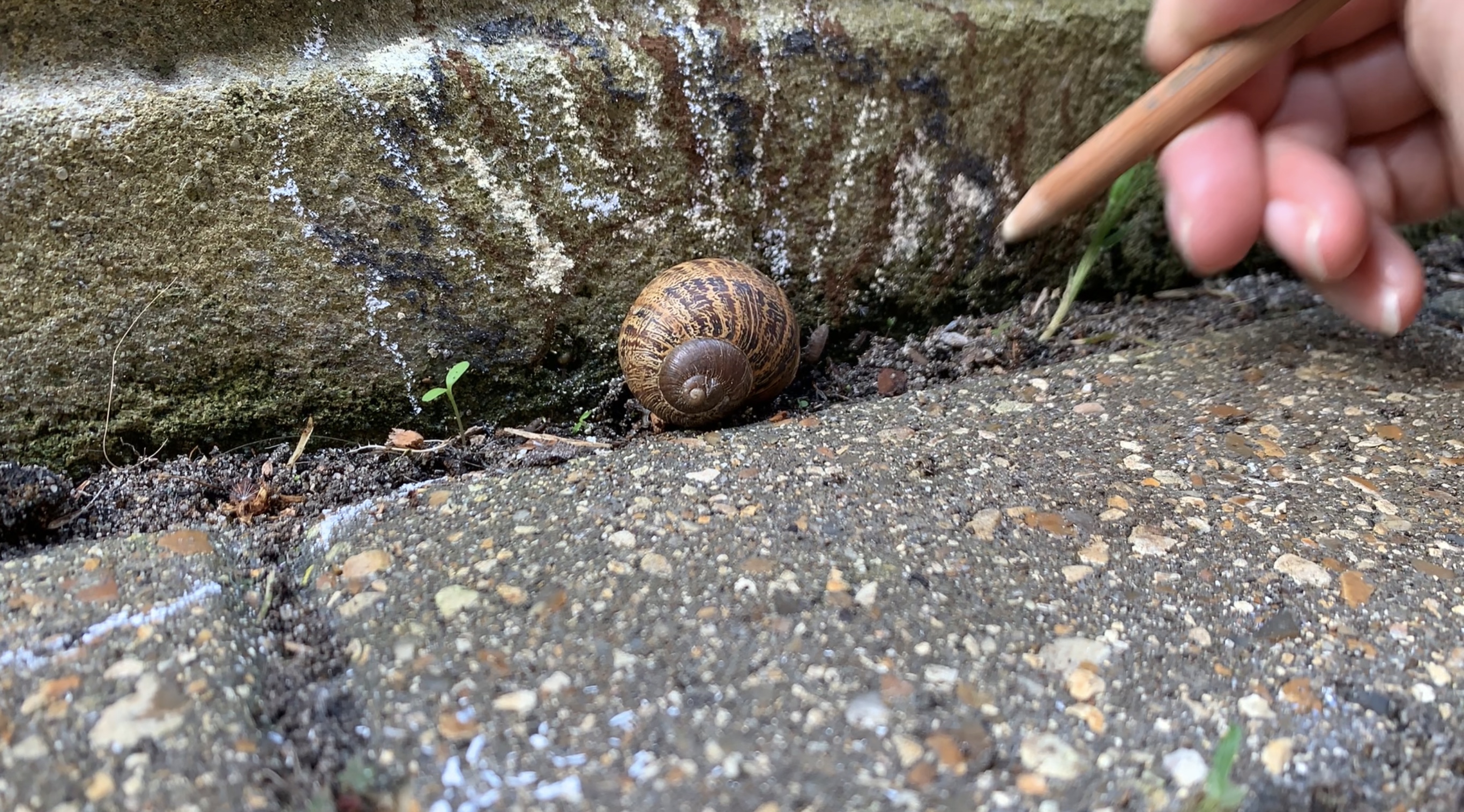
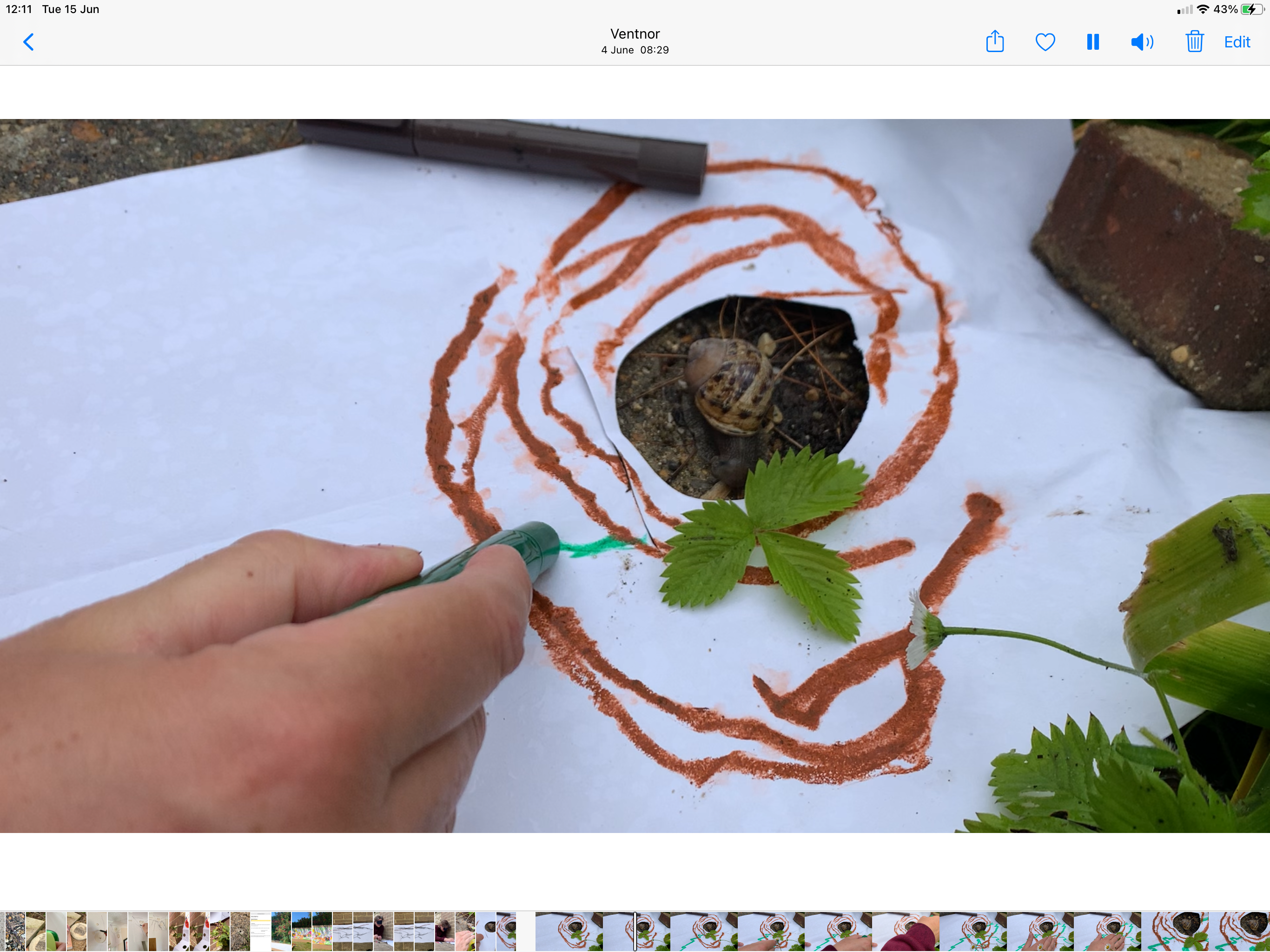
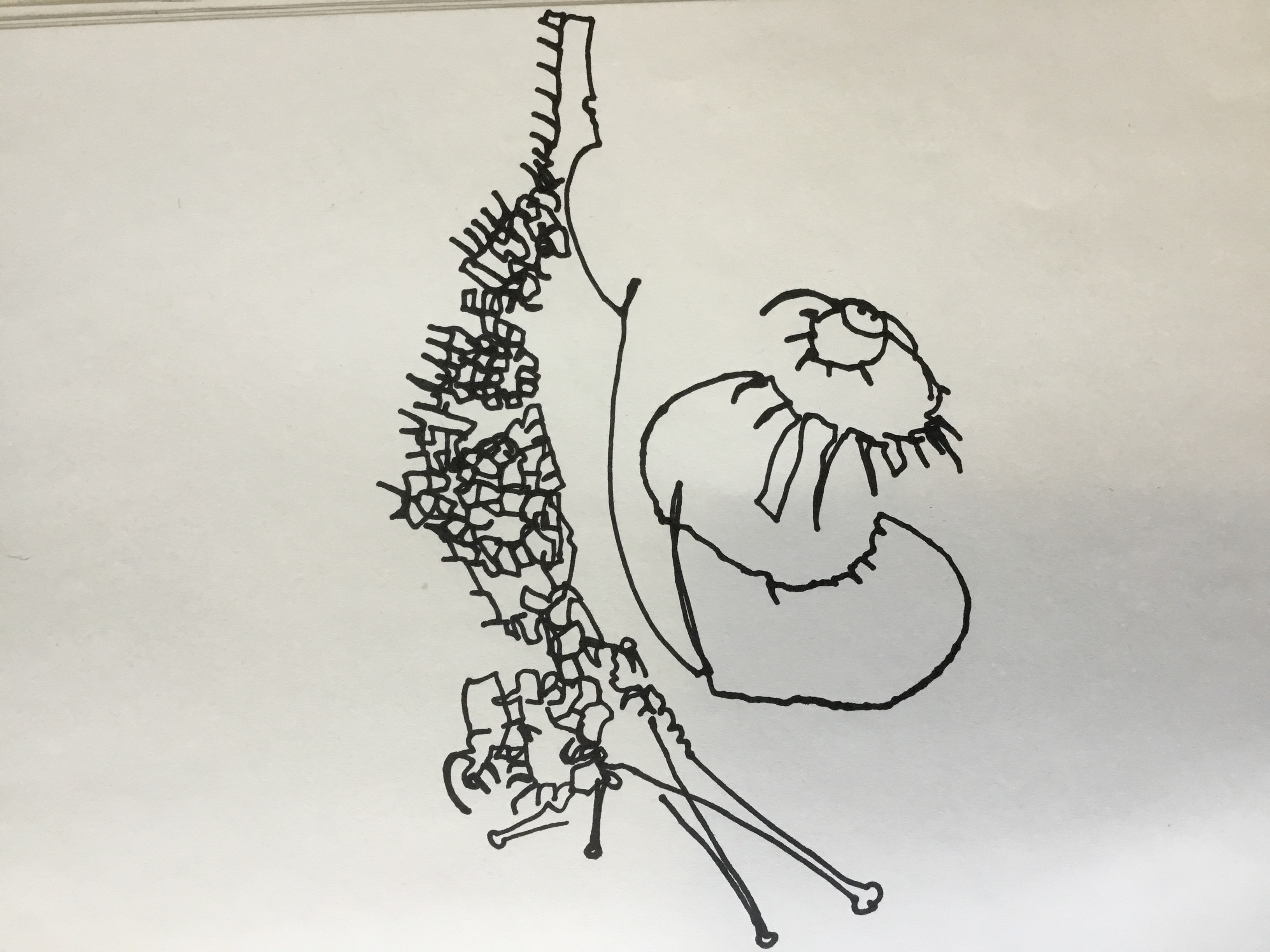
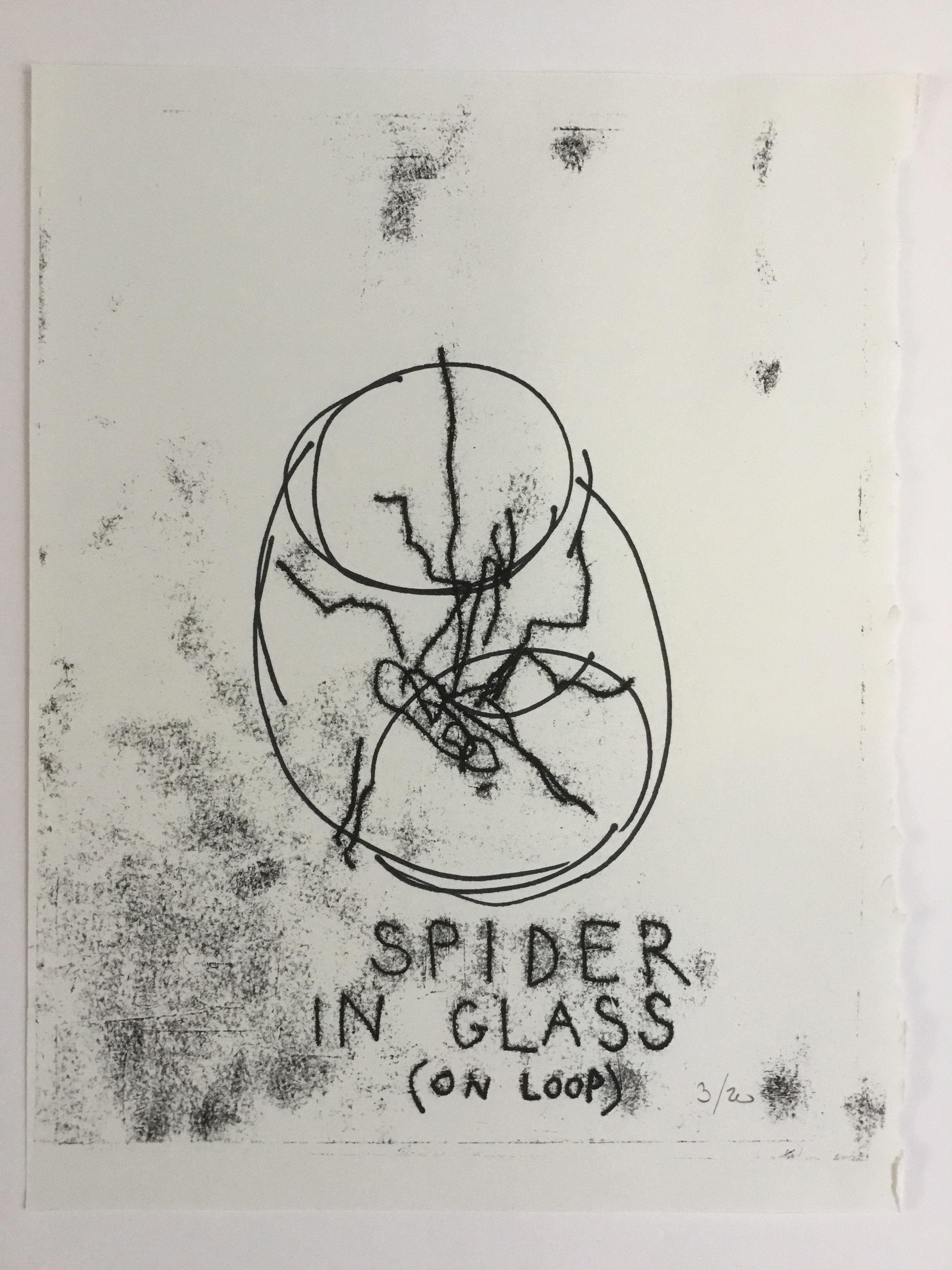
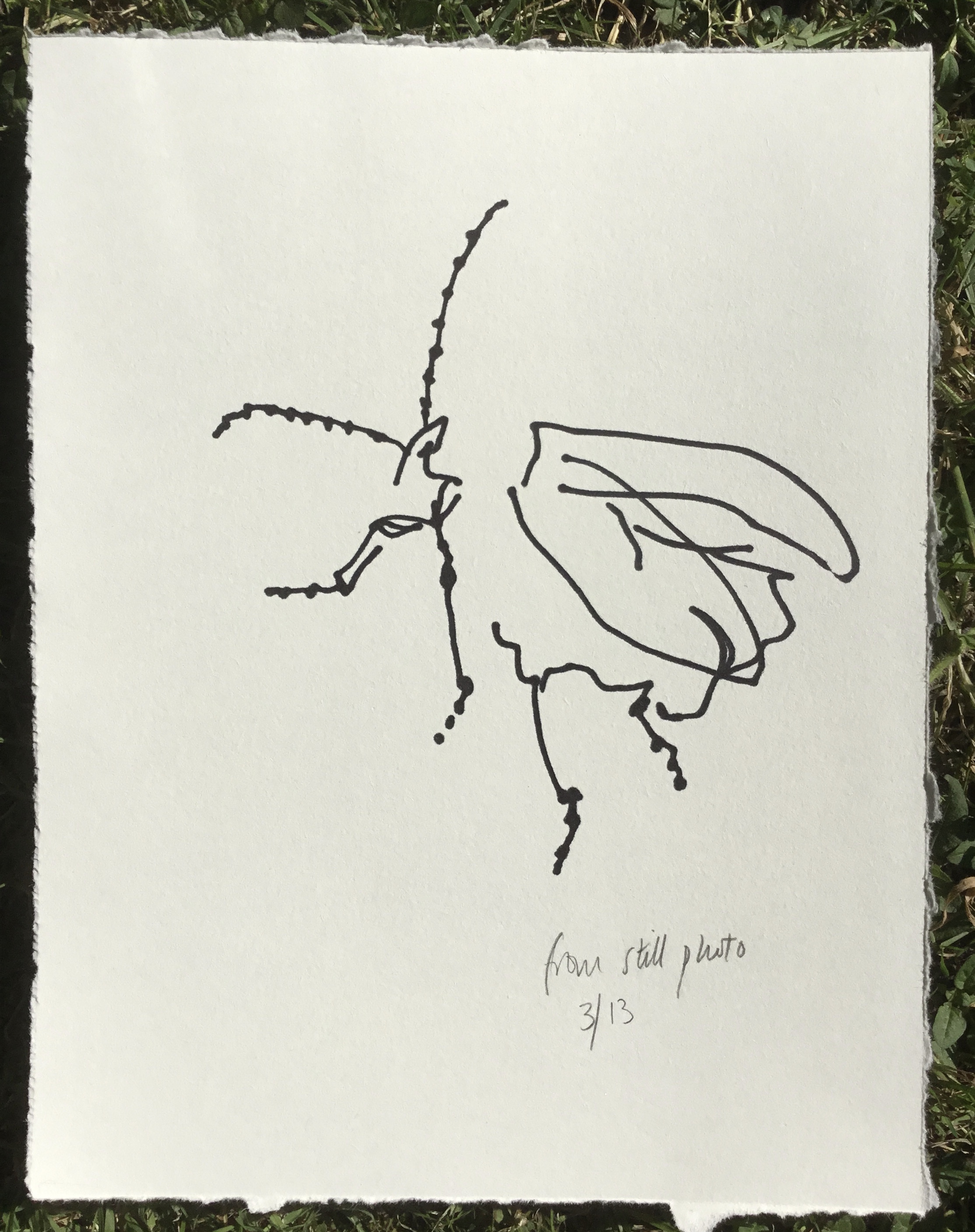
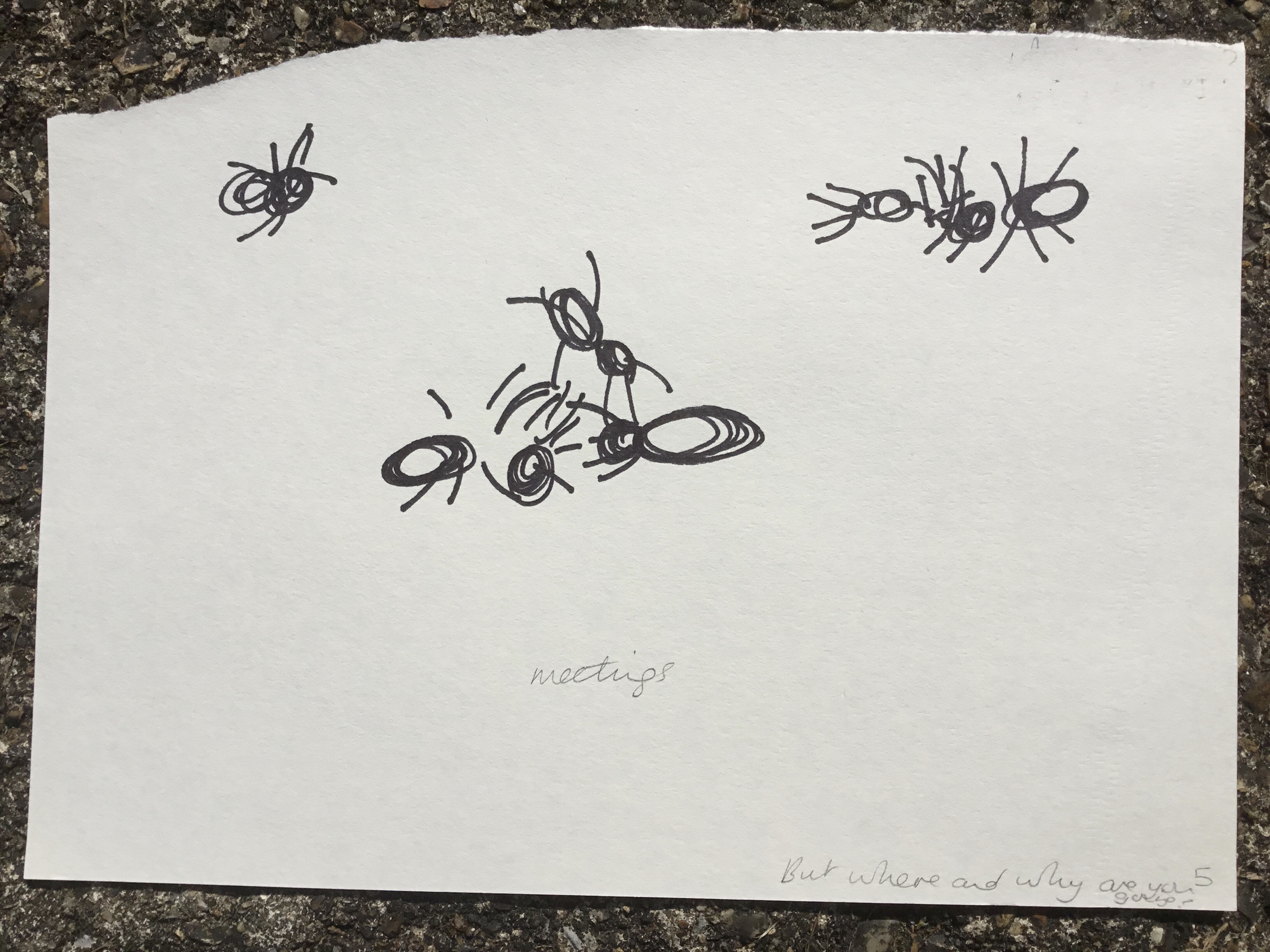
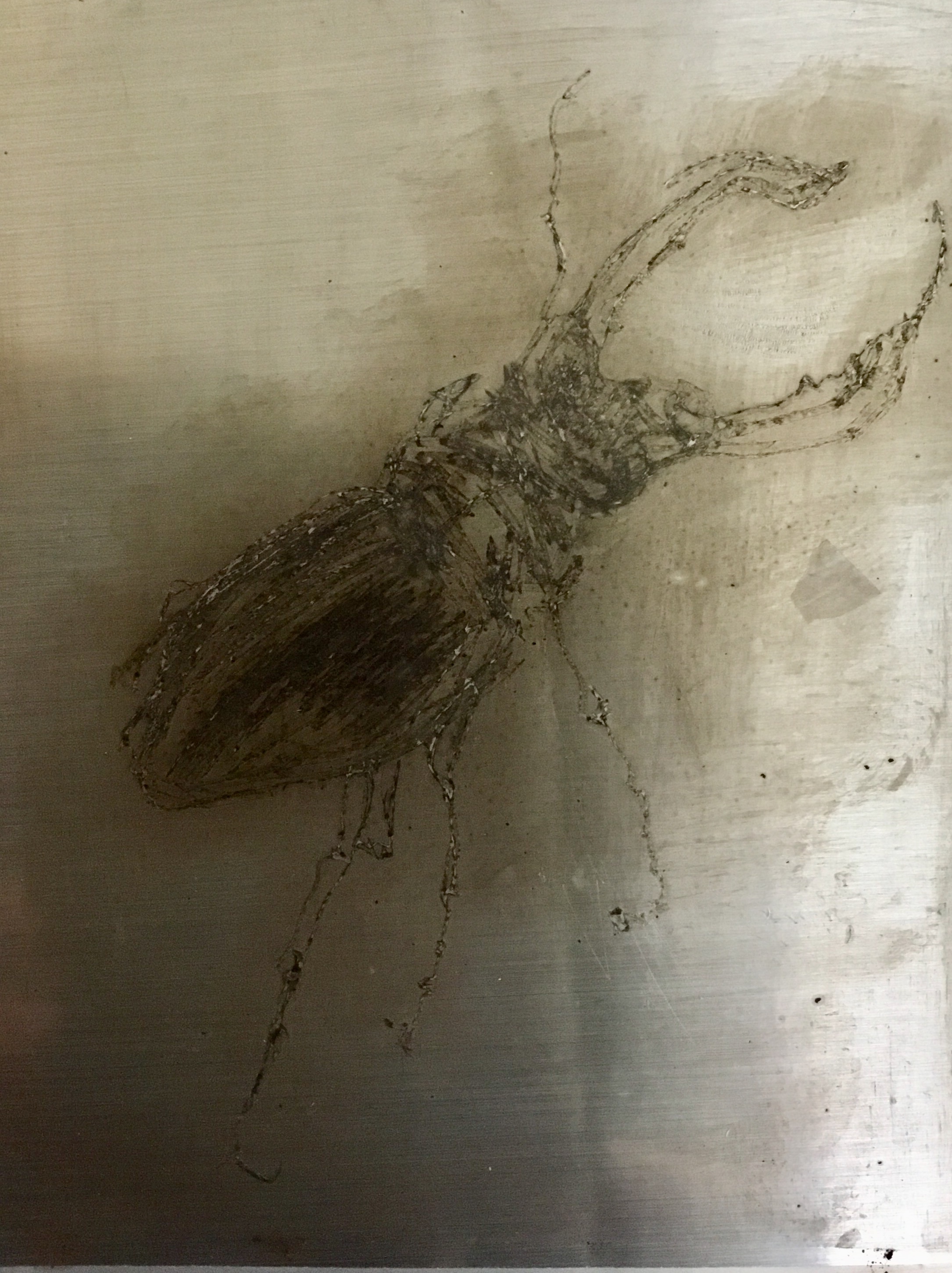
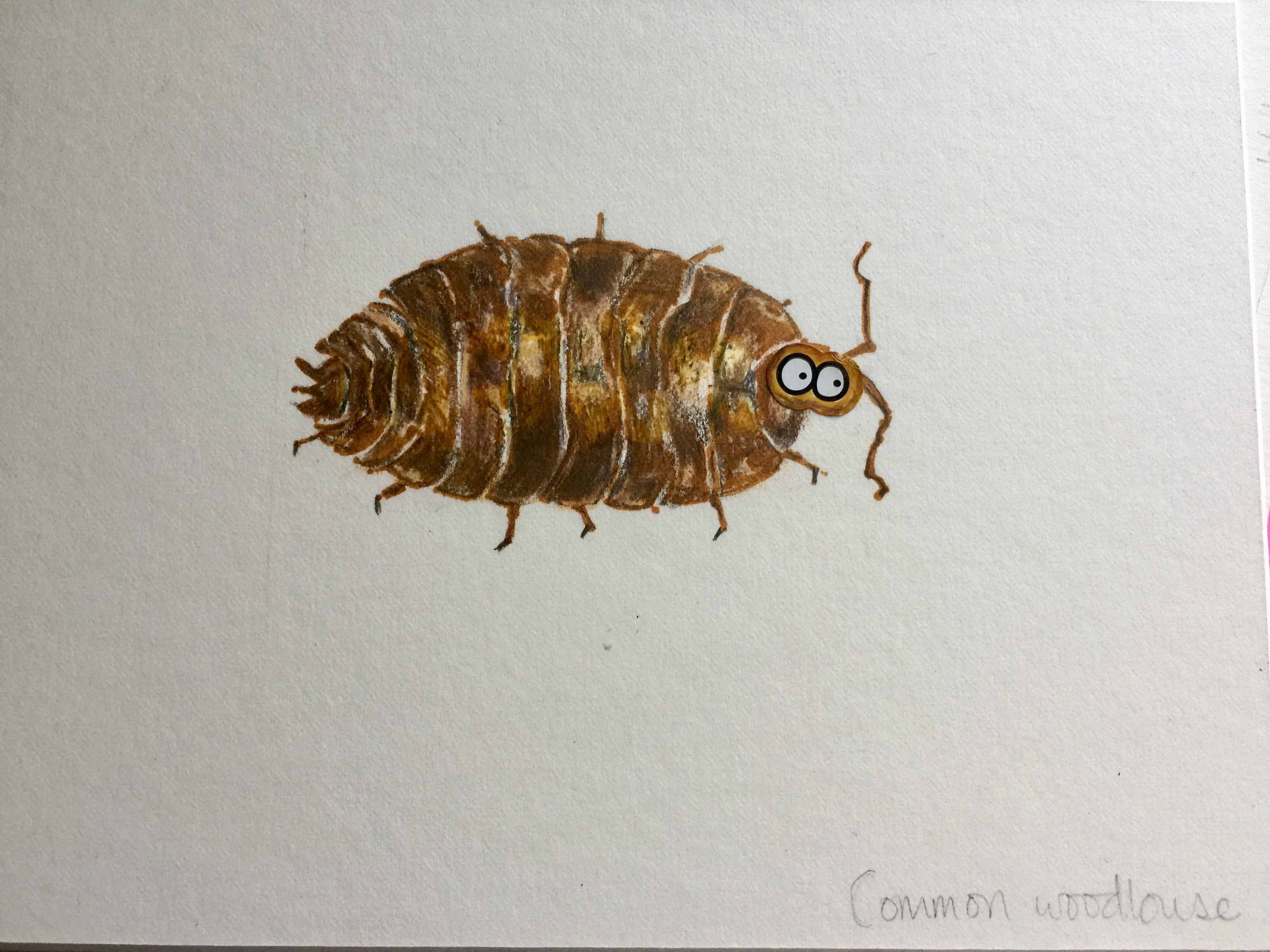
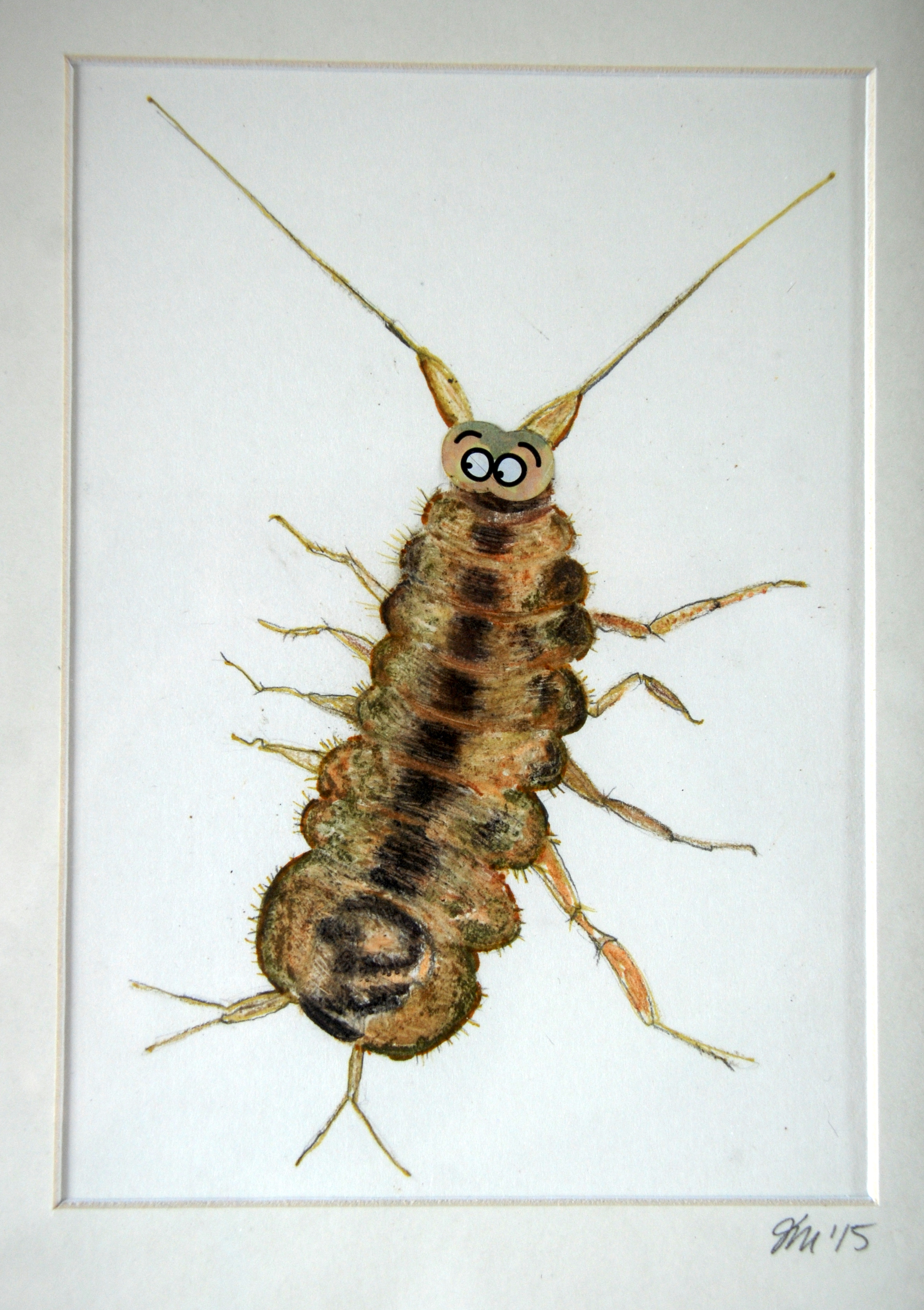
‘Minibeasts’ as a term was first used in environmental education in the UK in the 1970s. It includes a diverse collection of small invertebrate animals including snails, butterflies, moths, bees, worms, wasps, dragonflies, beetles, ants, grasshoppers, woodlice, slugs and spiders.
Why minibeasts?
Minibeasts are a fascinating and very important group of nonhuman animals, forming a collective purely based on their size. Between them they fly, slide, scuttle, metamorphose, produce silk, produce slime, produce sound and live in families and organised societies. Between them they have shells, exoskeletons, wings, no legs, lots of legs, antennae, elytra and scales. Some minibeasts have been around since before the dinosaurs and have survived all the major extinction events on our planet.
Minibeasts as teachers:
Minibeasts are among the most important animals on the planet for humans to pay attention to – they dispose of waste, pollinate crops, look after the soil and help balance the ecology of every habitat. They live among us in our everyday lives, in cities and in the countryside, in our houses and gardens and yet we remain so far apart in our mutual understanding and respect. They are often the first nonhuman animals we have direct contact with as we grow up and they can teach us love and empathy for all living beings.






 Dr Kay McCrann: creative multispecies worlds research visual blog